
Menu
What NoVacancy Asia 2026 taught us about hospitality branding
A hospitality brand is not a logo. It is what the guest notices, feels and remembers, and it still has to make commercial sense.
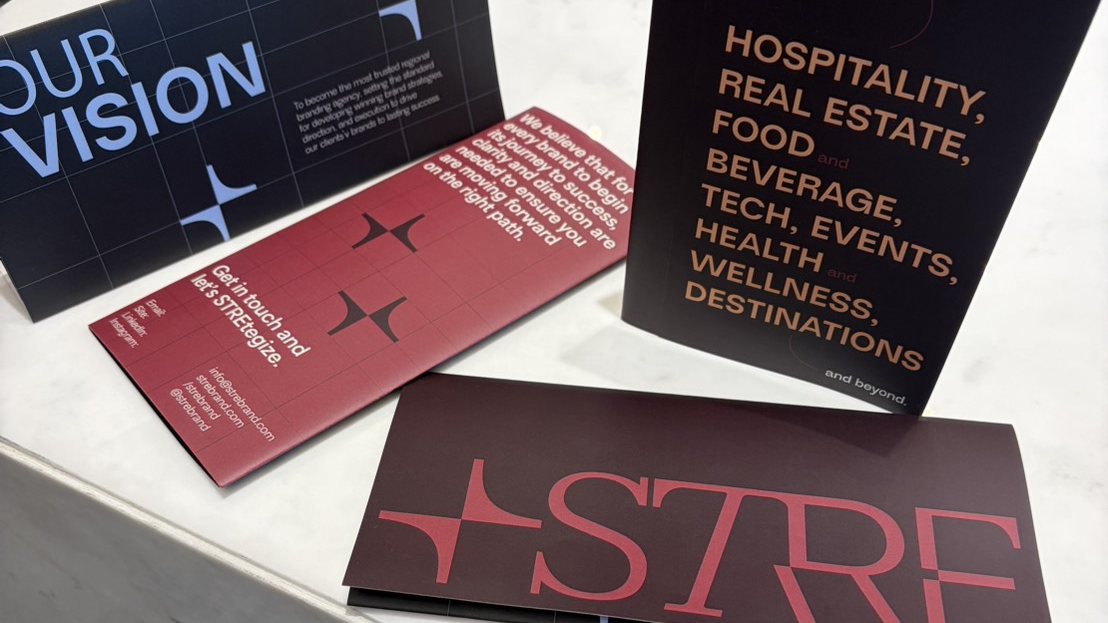
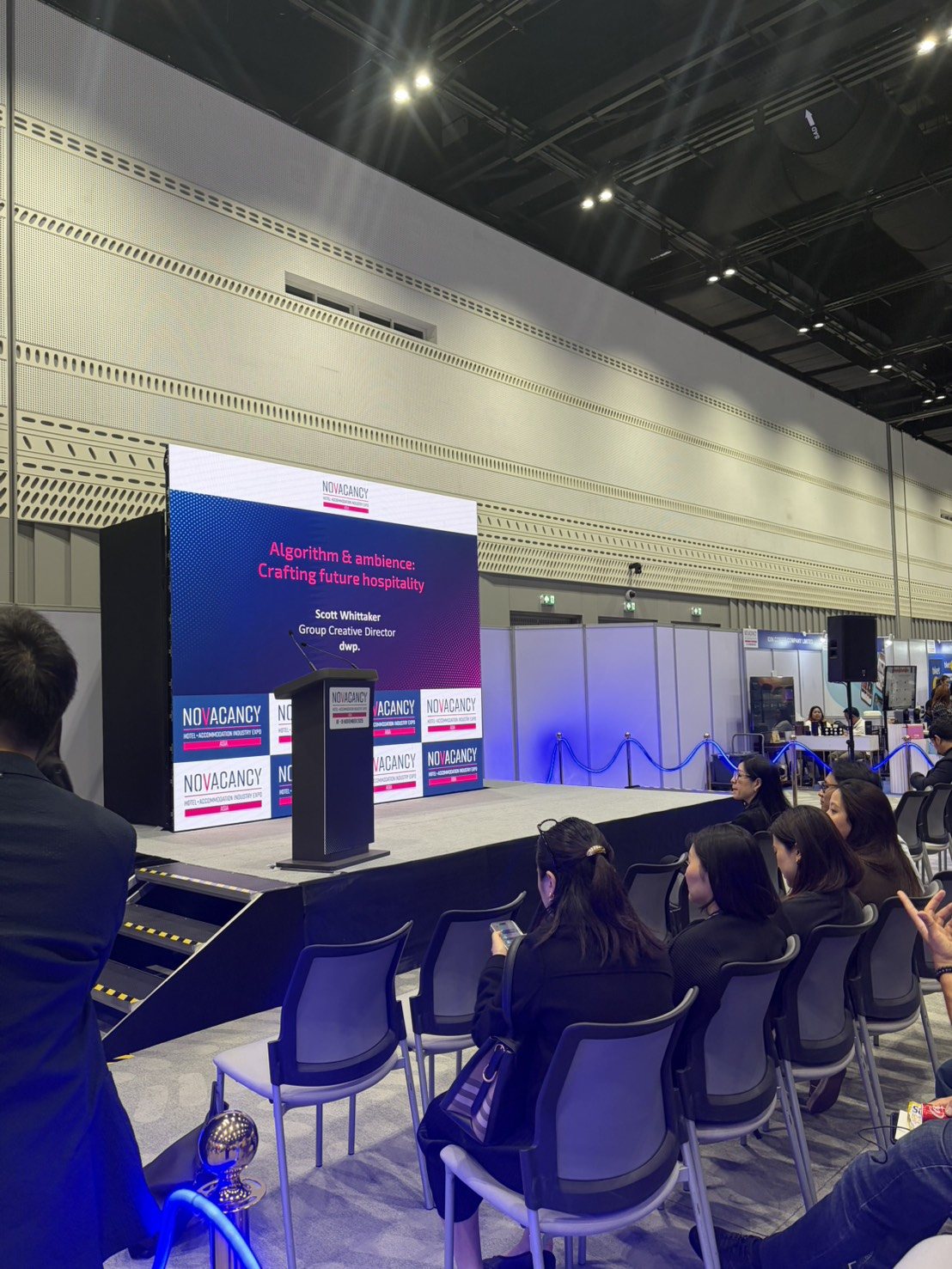
This week STRE exhibited at NoVacancy Asia 2026 at QSNCC in Bangkok, the hotel and accommodation industry expo that brings together operators, designers, technology providers and brands from across the region.
From design and guest experience to technology, commercial performance and operations, one thing was clear: the industry is designing well beyond a beautiful property or a memorable stay. As a branding and marketing agency, we listened to all of it through one lens.
What does this mean for the brand?
Three things stood out.
1. Your brand exists beyond your visual identity
In hospitality, a brand is not just the logo, the signage, the website or the uniforms. It is how guests experience the whole thing.
As brand strategists, designers and guardians, we think about:
- The feeling guests get when they first discover the property
- The feeling when they first walk in: what they see, what they hear, who greets them
- The branded rituals they anticipate, and the ones that surprise them
- The connections they make through staff
- The touchpoints that are intentionally designed
- And in the end, what they remember when they leave
This is why hospitality branding has to go beyond the visual identity. A strong brand idea should translate across the entire guest journey, consistent without every touchpoint feeling identical, redundant or out of place. When the brand lives beyond the logo, every interaction has a role in telling the story.
2. Distinction comes from having a point of view
Hospitality is a crowded category. More properties, restaurants, wellness destinations and experiences are competing for attention than ever, and when so much of it looks and sounds good, looking "aesthetic" is not enough.
The most memorable hospitality brands have a clear point of view. They know who they are, who they are for, and what they want people to feel. That point of view then becomes tangible: in the design, the language, the service philosophy, the spaces, the amenities and the experiences around the guest.
We do not believe in being different for the sake of it. We look for the thing that is ownable, meaningful to the audience and relevant to the business, and then build around it with confidence. Those distinctive brand assets are what build long-term brand equity.
This is where strategy earns its place. Before deciding what a hospitality brand should look like, you have to know what it should stand for.
3. A memorable experience still needs to make commercial sense
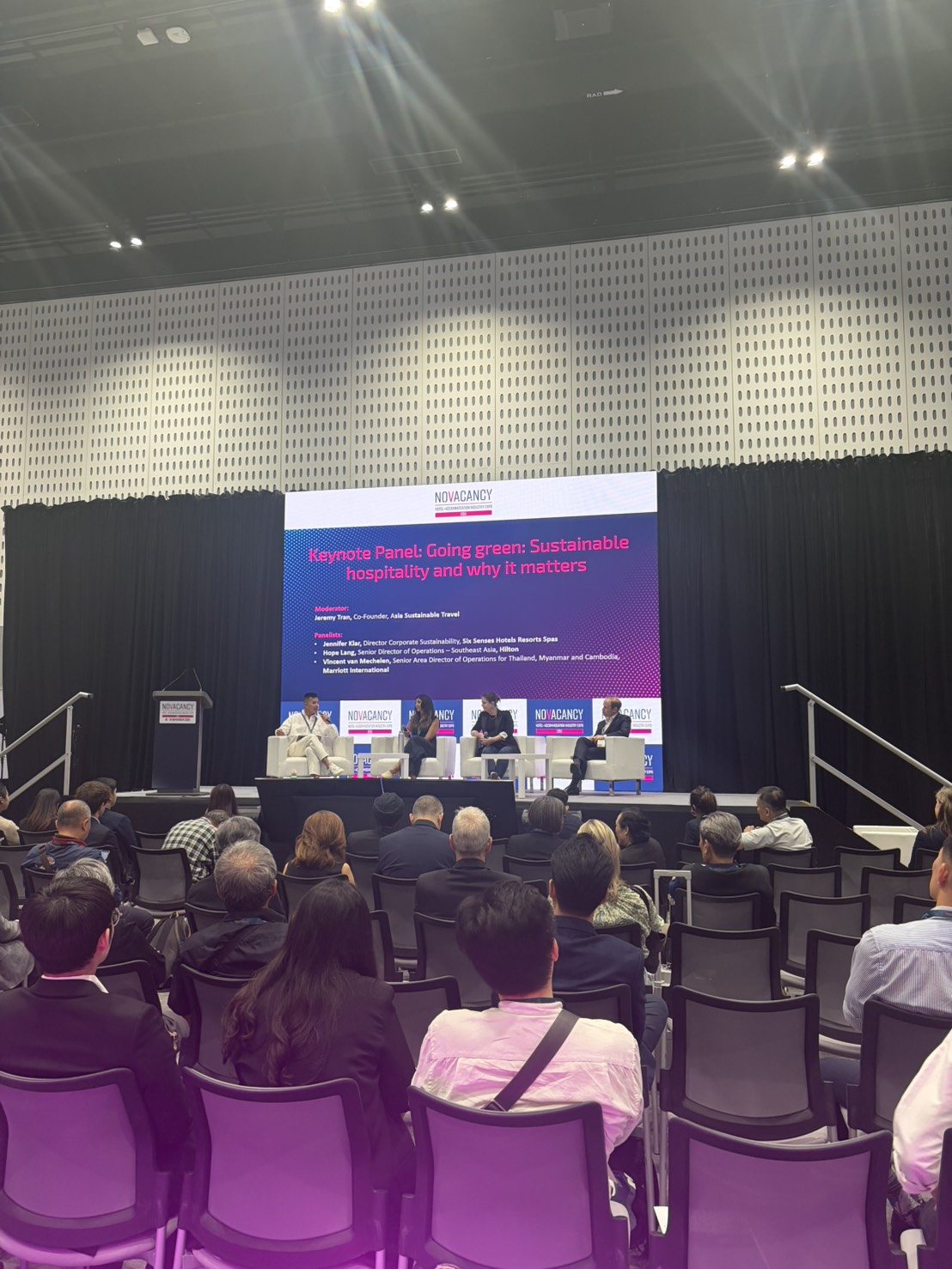
What we found most interesting at NoVacancy was how closely the guest experience conversations sat next to the ones about revenue, technology and operations. The event itself was organised around Technology, Commerce, Design and Experience, and that is the right picture of how connected these things have become.
We do not build brands only to make people feel something. The brand has to help the business compete. A strong hospitality brand makes the value proposition easier to understand, creates desire in the right audience, gives people a reason to choose you over the next option, and supports the objectives behind the business.
The brand and the business have to work together.
So where do we begin?
This is what makes hospitality branding so interesting to us. (If you have spoken to our Head of Strategy, she has almost certainly asked what your favourite hospitality brand is, and why.)
Hospitality branding connects storytelling, experience and business, and makes sure none of them exists in isolation. When the three are aligned, the brand becomes something people can recognise, experience and remember.
At STRE we have built and grown brands across hospitality, from hotels and resorts to wellness spaces, restaurants and destinations. Our role is to define the bigger brand idea, then translate it cohesively across the touchpoints that matter: positioning and communications, visual identity, spaces, menus, digital presence and the guest-facing experience.
Most importantly, we look at the brand from the perspective of the person experiencing it: what they will notice, what they will feel, and what they will remember long after they have left.
Want to talk about your hospitality brand? See what we do, read our restaurant and F&B branding work, or write to info@strebrand.com.
Want this applied to your brand? Let's talk.
A free consultation, honest first thoughts, reply within one business day.
Book a free consultation