
Menu
3 principles of hospitality branding, and the brands that get them right
Guests remember how a place made them feel. Three principles we build hospitality brands on, and two brands that live them.
Most hospitality brands start with how the place should look: the logo, the interior, the signage. Guests judge them on something else. They judge them on how the stay, the meal or the session made them feel, and on whether they want to come back.
We have built brands across hospitality, wellness, dining and sports, for very different audiences and propositions. Across all of them, three principles keep proving true. Here they are, with two brands that put them into practice better than most.
1. Your brand exists beyond your visual identity
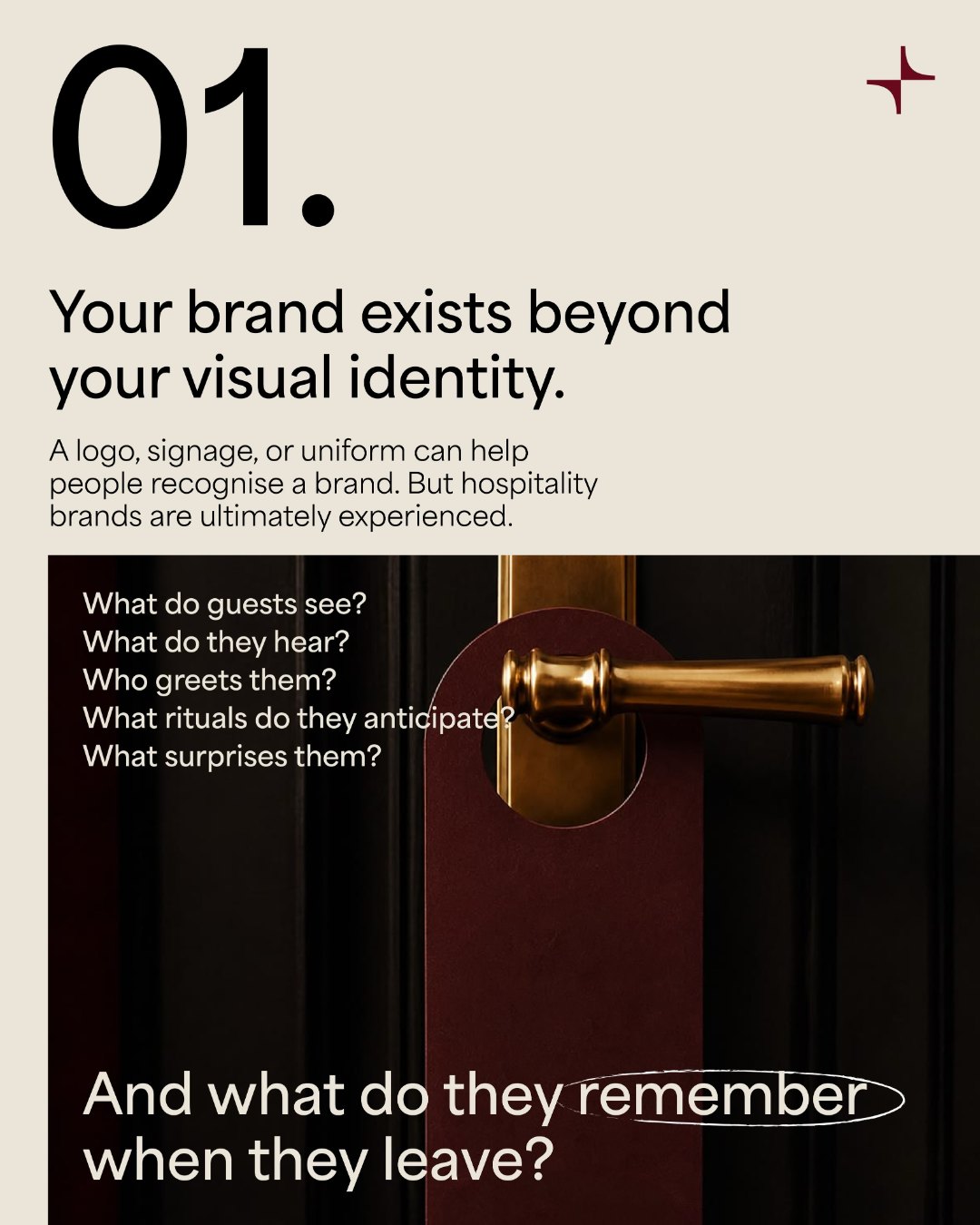
A logo, signage or a uniform helps people recognise a brand. But a hospitality brand is experienced, not just seen. The useful questions are about the guest:
- What do guests see when they arrive?
- What do they hear?
- Who greets them, and how?
- What rituals do they look forward to?
- What surprises them?
- And what do they remember when they leave?
A brand that does this well: Six Senses
Six Senses builds everything around one idea, reconnection: helping guests step away from daily distractions and reconnect with themselves, other people and nature. The idea is not a tagline. It shows up as things guests actually do:
- Sleep programme: personalised sleep support through tracking, expert guidance, treatments and sleep rituals.
- Earth Lab: sustainability activities, from making natural products to learning about sustainable living.
- Alchemy Bar: a hands-on space where guests make their own natural treatments from locally sourced ingredients.
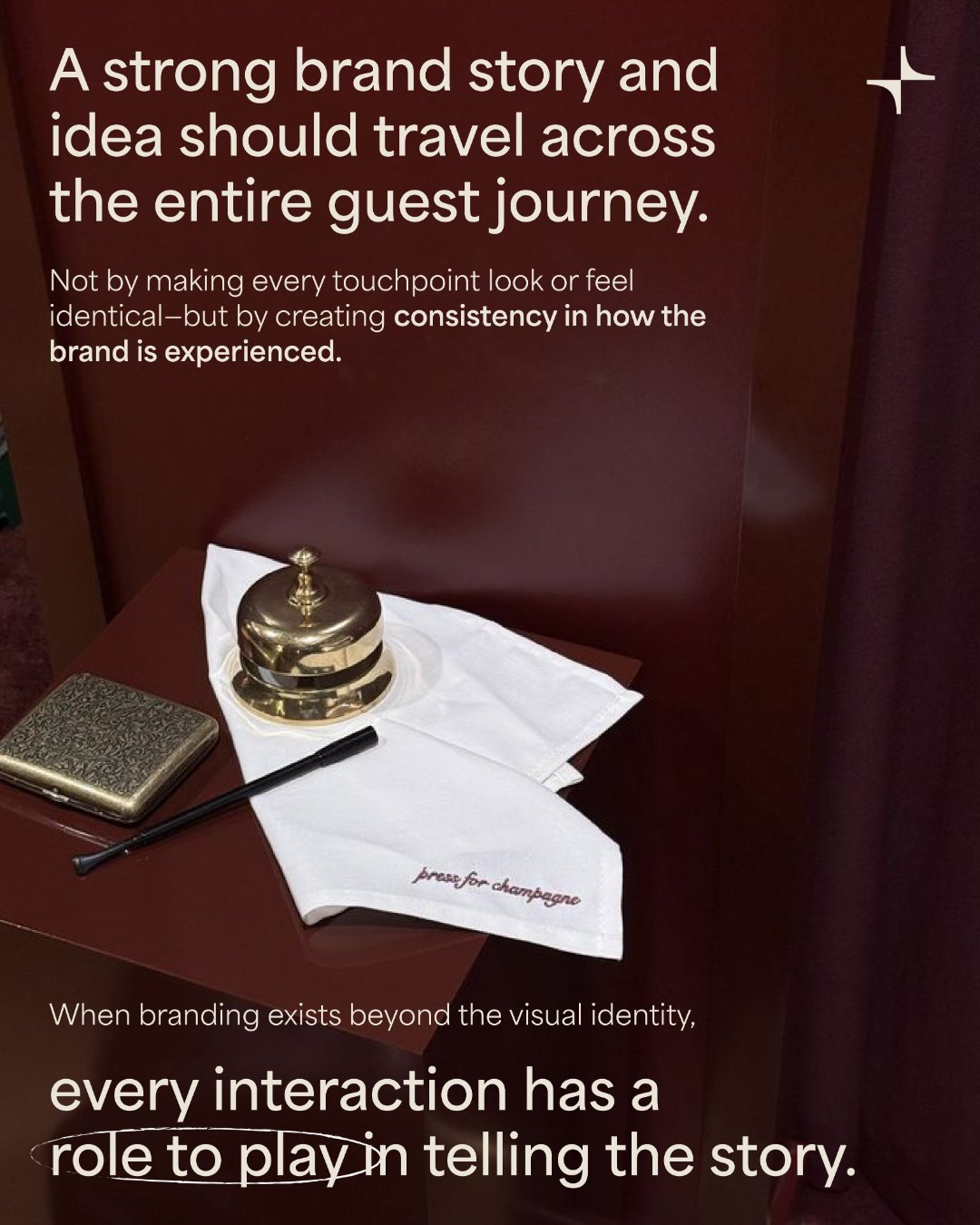
The lesson is not to copy the programmes. It is that a strong brand idea should travel across the whole guest journey. Not by making every touchpoint look the same, but by making the brand feel consistent wherever guests meet it. When branding lives beyond the visual identity, every interaction has a role in telling the story.
2. Distinction comes from having a point of view
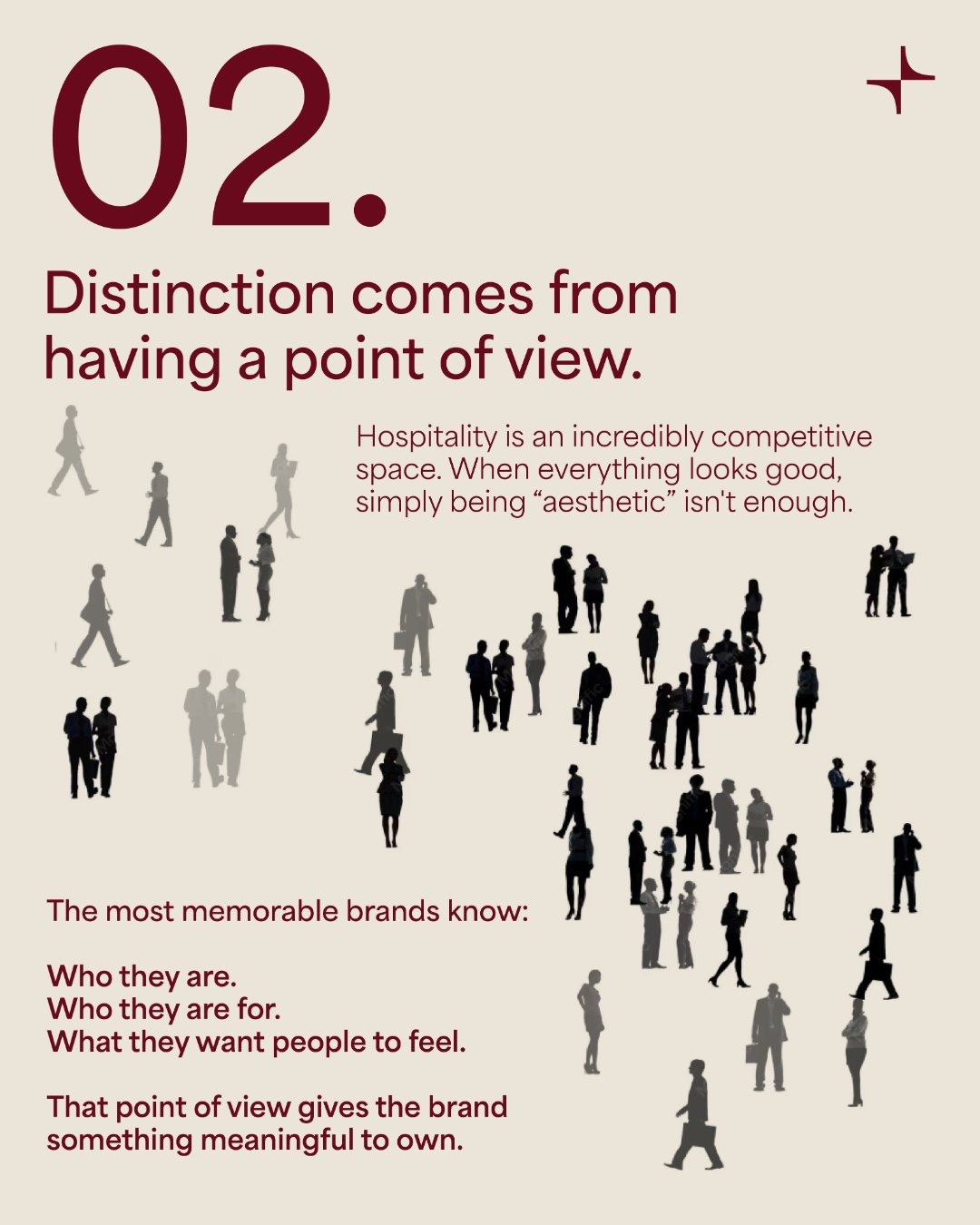
Hospitality is crowded, and much of it looks good. When every new hotel, cafe and wellness space is photogenic, being "aesthetic" stops being an advantage. The brands people remember know three things:
- Who they are
- Who they are for
- What they want people to feel
That point of view gives a brand something meaningful to own.
A brand that does this well: Soho House
Soho House made creativity and community its own. Rather than competing on rooms or interiors alone, it built spaces and experiences that let its members connect, discover and work together, until the brand became a culture of its own:
- Soho Summit: talks, workshops and masterclasses across art, design, film, music and culture.
- Soho Works: workspaces designed for members to work, meet and connect.
- Art walks and art talks: curated experiences that connect members with artists, their work and the house's art collection.
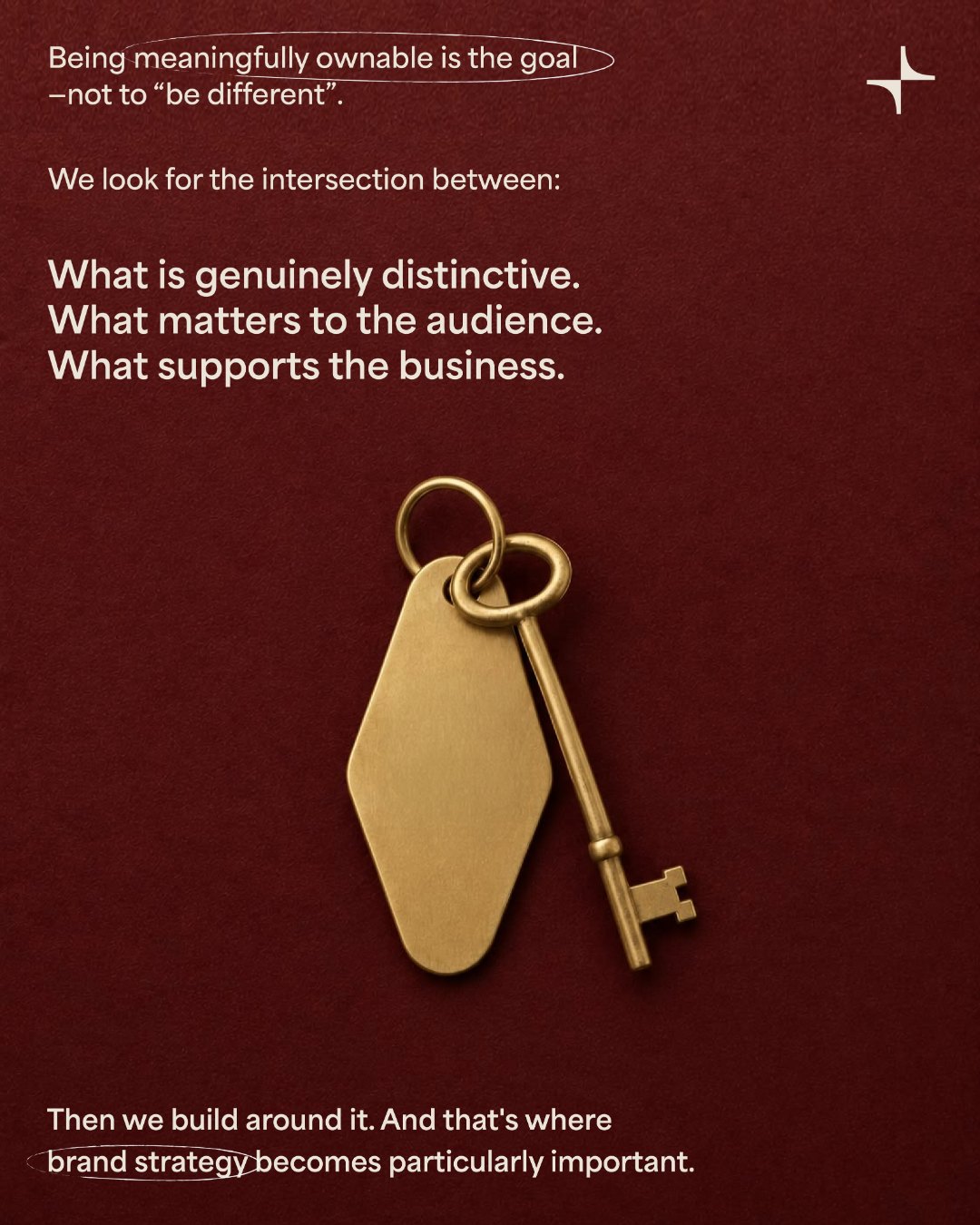
Being meaningfully ownable is the goal, not being different for its own sake. We look for where three things meet: what is genuinely distinctive about the business, what matters to its audience, and what supports the business. Then we build the brand around it. That is where brand strategy earns its place.
3. A memorable experience still needs to make commercial sense
A lot goes into a hospitality brand beyond what the guest sees: technology, operations, service and everything behind the scenes. Brand and business have to work together, so the experience is meaningful for the guest and viable for the business.
We do not develop branding just to make people feel something. The brand has to help the business compete. It should:
- Make the value proposition easier to understand
- Create desire among the right audience
- Give people a reason to choose you over the next option
- Support the business objectives behind the brand
Where the three meet
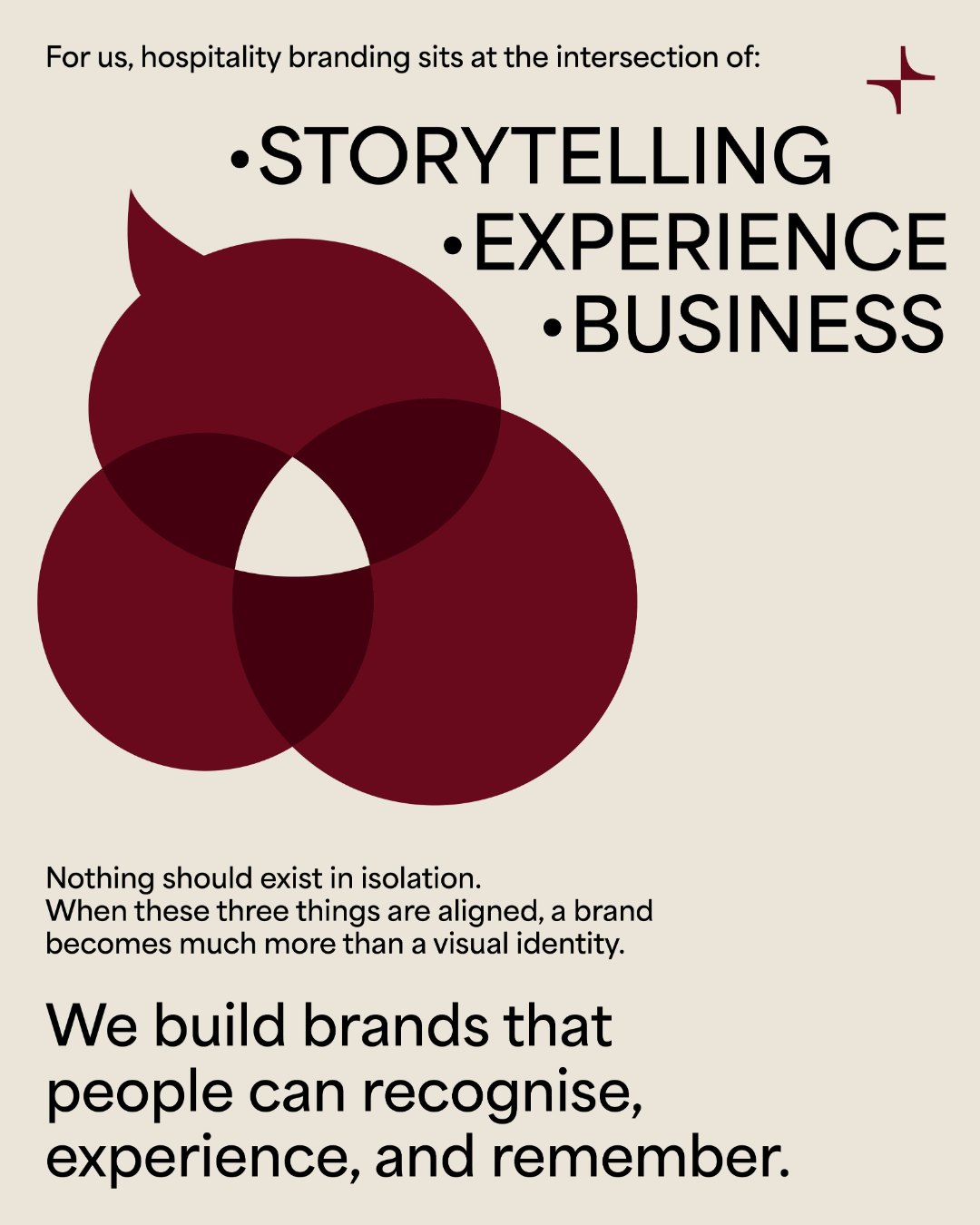
For us, hospitality branding sits where storytelling, experience and business meet. None of them should exist in isolation. When the three are aligned, a brand becomes much more than a visual identity: something people can recognise, experience and remember.
Questions to ask about your own hospitality brand
- Can you say in one sentence what guests should feel?
- Which touchpoints carry that feeling today, and which work against it?
- What could a competitor not easily copy?
- Which parts of the experience earn their cost, and which do not?
- What do guests mention in reviews that you never designed on purpose?
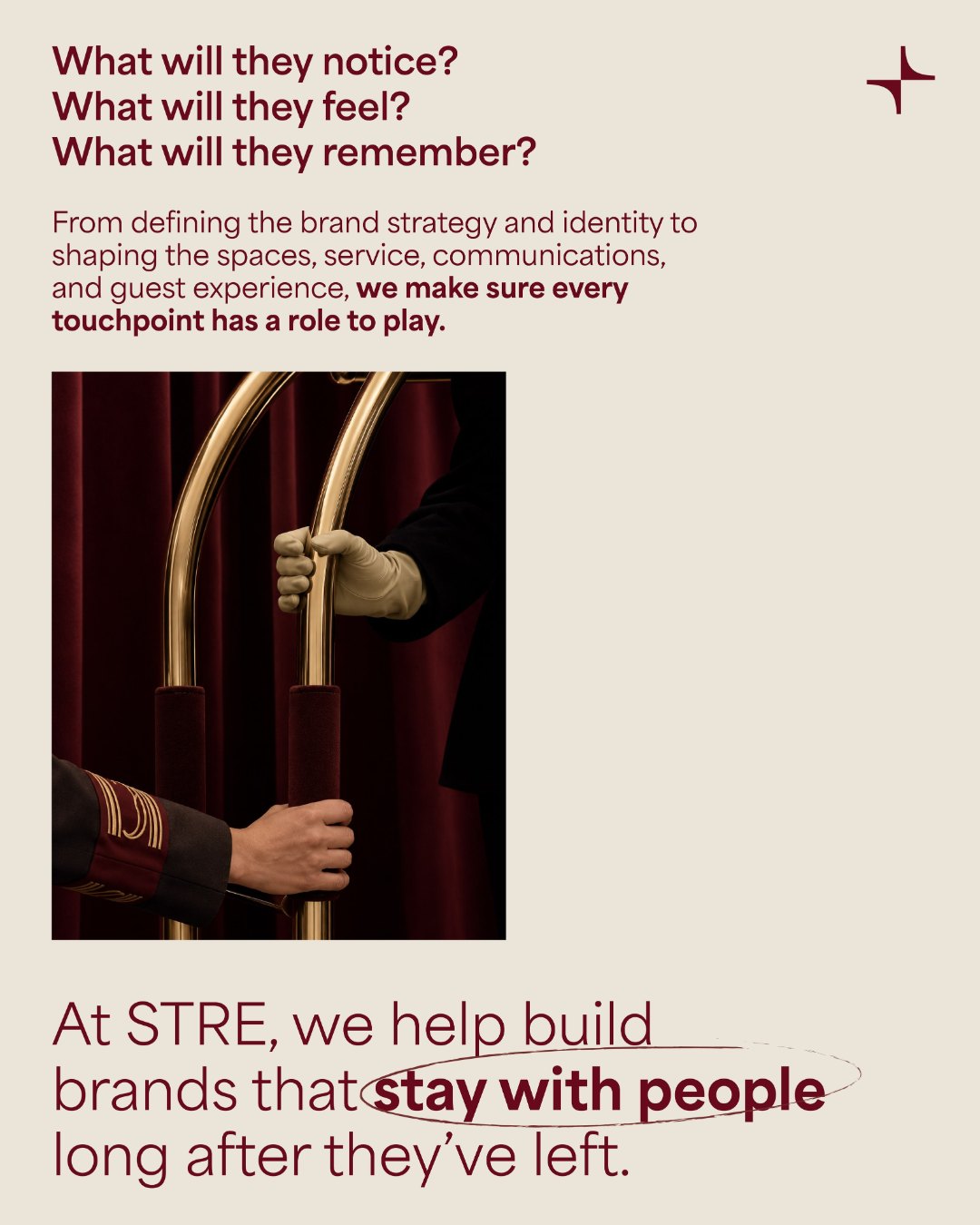
From brand strategy and identity to spaces, service, communications and the guest experience, we make sure every touchpoint has a role to play. We first shared these principles after exhibiting at NoVacancy Asia in Bangkok.
Building a hospitality brand? Whether it is a hotel, a wellness space, a restaurant or a destination, let's get the brand story and identity right from the start. See what we do, our restaurant and cafe branding, or write to info@strebrand.com.
Want this applied to your brand? Let's talk.
A free consultation, honest first thoughts, reply within one business day.
Book a free consultation